
20+ Potty Training Chart for 2026
Potty Training Chart systems continue to be one of the simplest ways to make toilet training easier for both parents and children in 2026. After seeing different potty training methods used by families, one thing stands out: children respond better when they can see their progress.
A potty training chart turns daily successes into visible achievements. Instead of repeated reminders, kids focus on earning stickers, reaching goals, and building confidence. Research from child development experts shows that positive reinforcement can improve learning and habit formation significantly during early childhood.
In this guide, I’ll explain what a potty training chart is, its benefits, popular chart themes, practical ways to use one, and tips that can help make potty training less stressful and more successful.
Key Takeaways
- A potty training chart helps children track progress visually.
- Positive reinforcement increases motivation and confidence.
- Consistent routines improve potty training success.
- Themed charts keep children engaged for longer periods.
- Small rewards can encourage healthy potty habits.
- Printable charts are affordable and easy to use at home.
- Most children respond better to praise and rewards than punishment.
A potty training chart is a visual reward system that allows children to record successful potty visits using stickers, stamps, or checkmarks. It encourages routine, builds confidence, and helps children stay motivated throughout the potty training journey.
What is a Potty Training Chart?
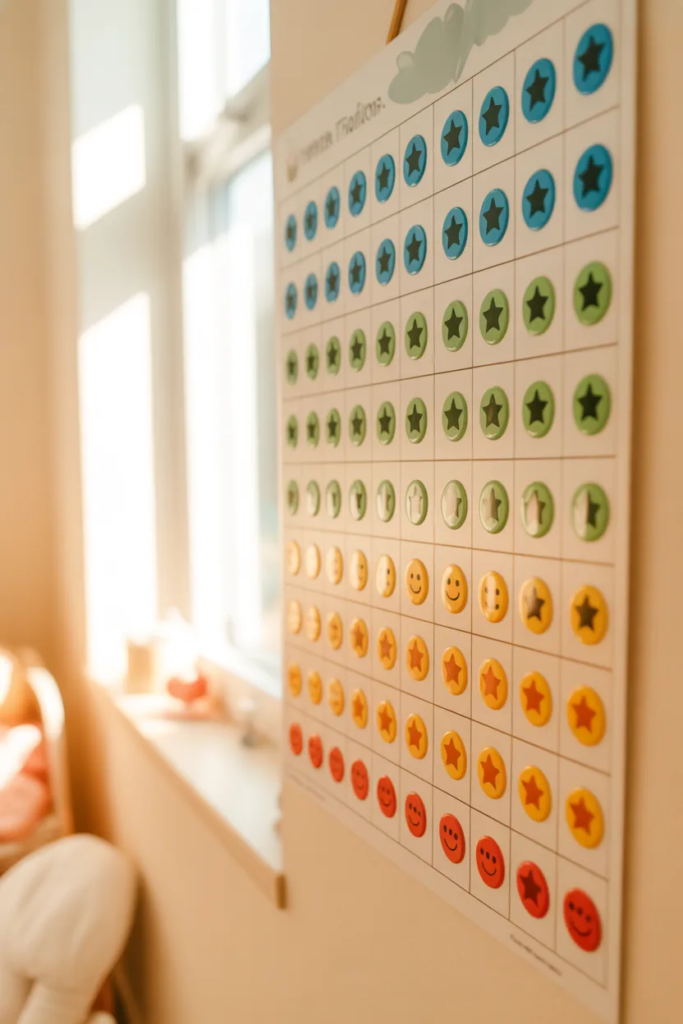
A potty training chart is a simple tool designed to help children monitor their toilet-training progress. Each successful potty visit earns a sticker, mark, or star that gets added to the chart.
From what I’ve observed, children enjoy seeing their achievements build up over time. Even something as simple as adding a sticker can create excitement and encourage them to continue practicing good bathroom habits.
Most charts include daily or weekly sections, making it easier for parents and children to track progress together. This visual feedback often helps children understand their goals more clearly.
What are Benefits of Using a Potty Training Chart?
1. Motivation and Encouragement
Young children naturally enjoy rewards and recognition.
A potty training chart gives immediate feedback after a successful potty visit. Every sticker becomes a small victory that encourages them to keep trying. According to child behavior studies, positive reinforcement can increase desired behaviors more effectively than focusing on mistakes.
Children often feel proud when they see their chart filling up, which creates excitement around potty training.
Pro Tip: Use colorful stickers or character-themed rewards to make each achievement feel special.
2. Consistency
Consistency is one of the biggest factors in successful potty training.
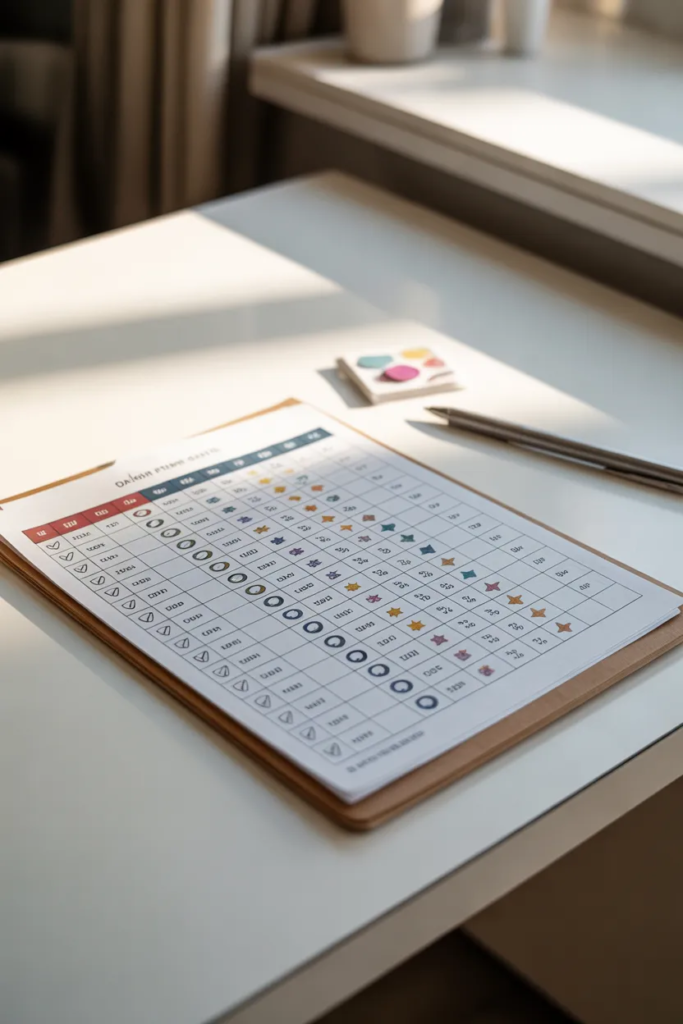
A chart creates structure by encouraging children to follow the same routine every day. Morning, afternoon, and bedtime potty visits become easier to remember when they’re connected to a visual schedule.
Over time, these repeated actions help develop lasting bathroom habits.
Pro Tip: Place the chart near the bathroom so your child can easily update it after every success.
3. Positive Reinforcement
Focusing on successes creates a healthier learning experience.
Rather than drawing attention to accidents, a potty training chart highlights achievements. This helps children feel capable instead of discouraged.
Many parents notice that children become more willing to participate when they receive praise for progress rather than criticism for setbacks.
Positive reinforcement also strengthens confidence, which is important during early childhood development.
4. Goal Setting
Small goals help children stay motivated.
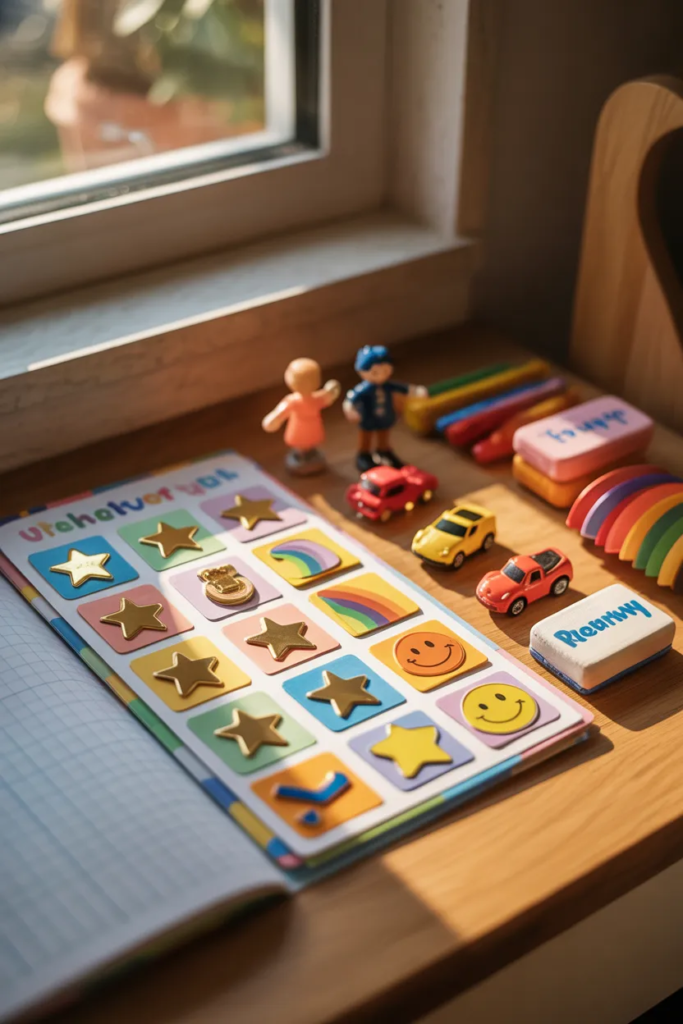
Whether it’s filling a row of stickers or completing a week’s worth of successful potty visits, clear goals give children something exciting to work toward.
Achieving these milestones creates a sense of accomplishment and encourages continued effort.
Studies on child motivation suggest that short-term goals often produce better results than distant rewards because children can see progress more quickly.

Potty Training Charts Themes
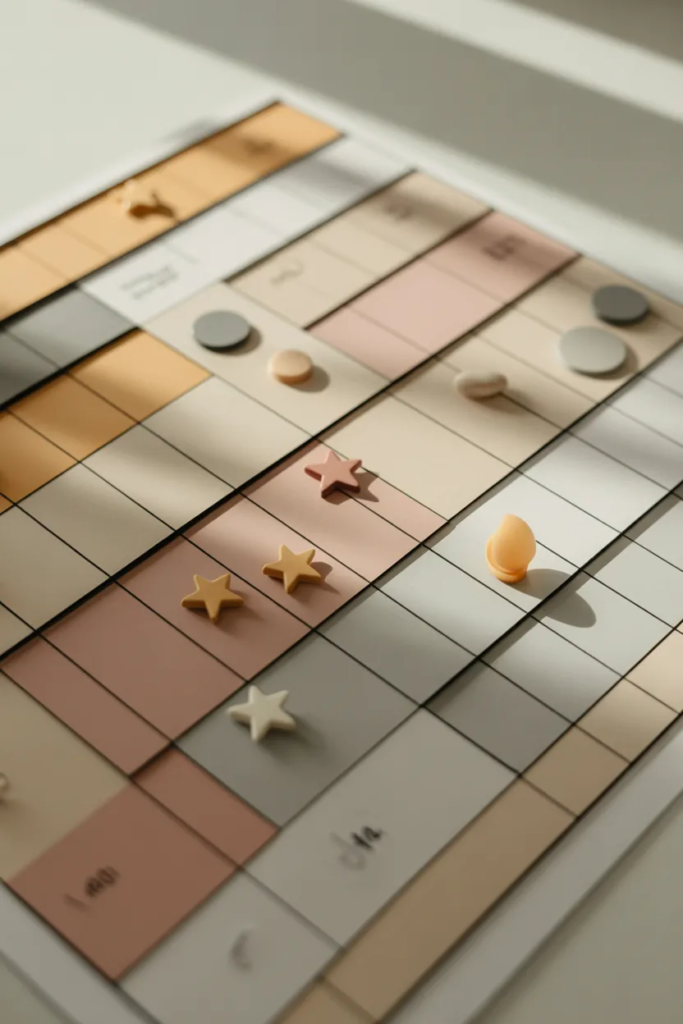
1. Classic Reward Chart
The classic reward chart remains one of the most effective options available.
Its simple design keeps the focus on progress without adding unnecessary distractions. Parents appreciate its flexibility because it works for toddlers with different personalities and learning styles.
This style is especially useful for families beginning their potty training journey.
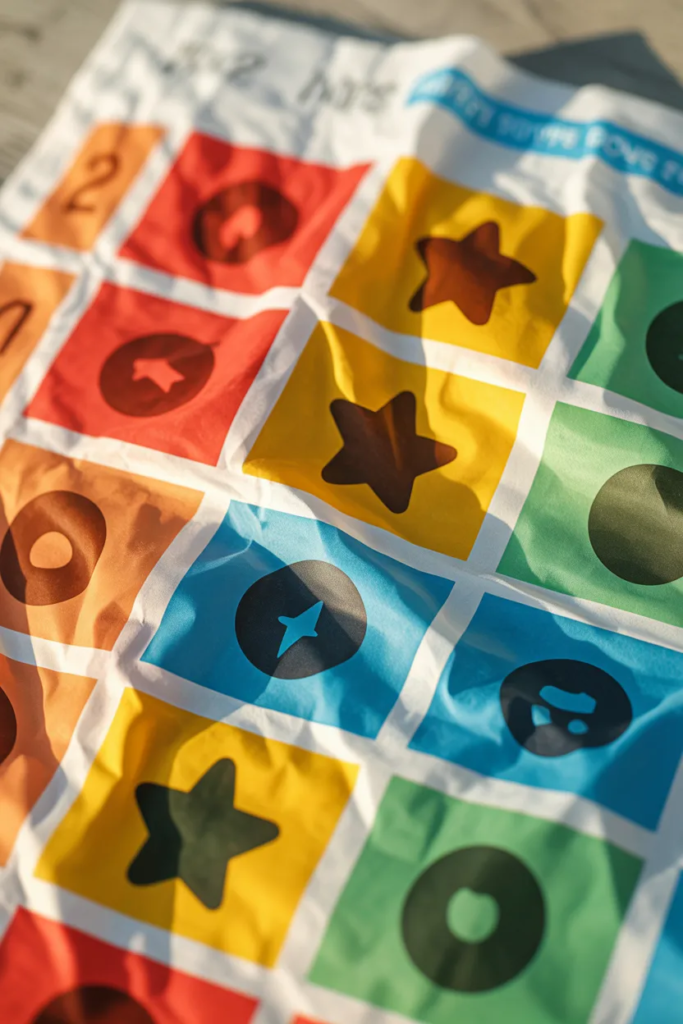
2. Bluey’s Potty Adventure
Children often connect better with familiar characters.
A Bluey-themed potty training chart can make bathroom routines feel more enjoyable because it includes a character many children already recognize and trust.
When potty training feels fun, children are often more willing to participate consistently.
Using favorite characters can also help maintain interest during challenging periods.
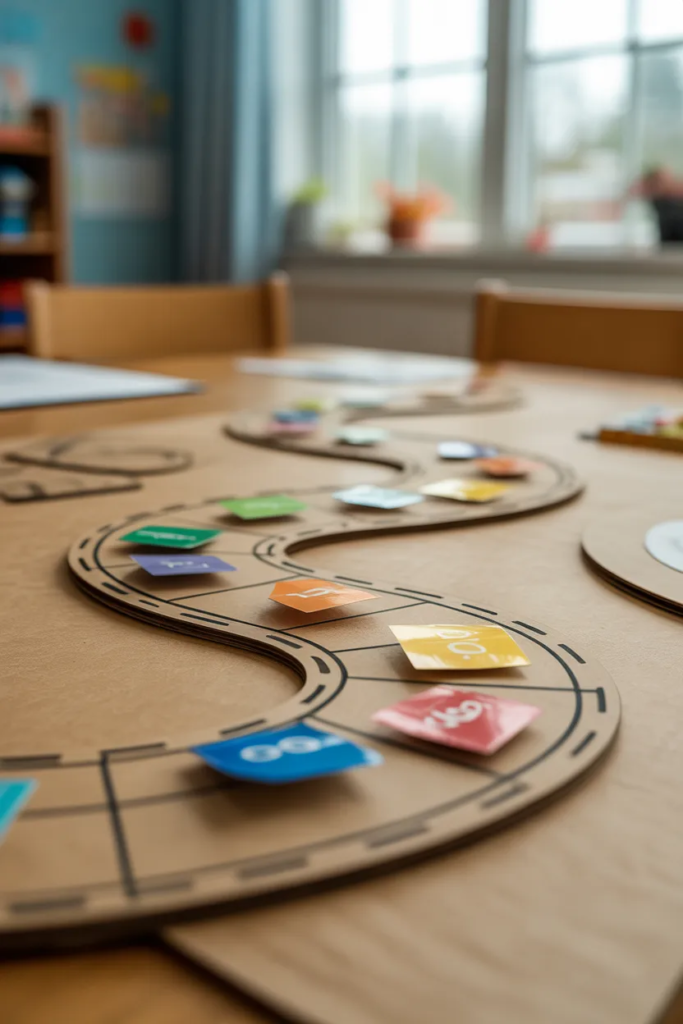
3. Potty Game Race
Turning potty training into a game can increase engagement.
In a race-style chart, each successful potty visit moves a child closer to a finish line. This creates excitement and transforms routine bathroom visits into an activity children actively look forward to.
Many parents find that game-based charts help reduce resistance during the early stages of training.
How to Use a Potty Training Chart?
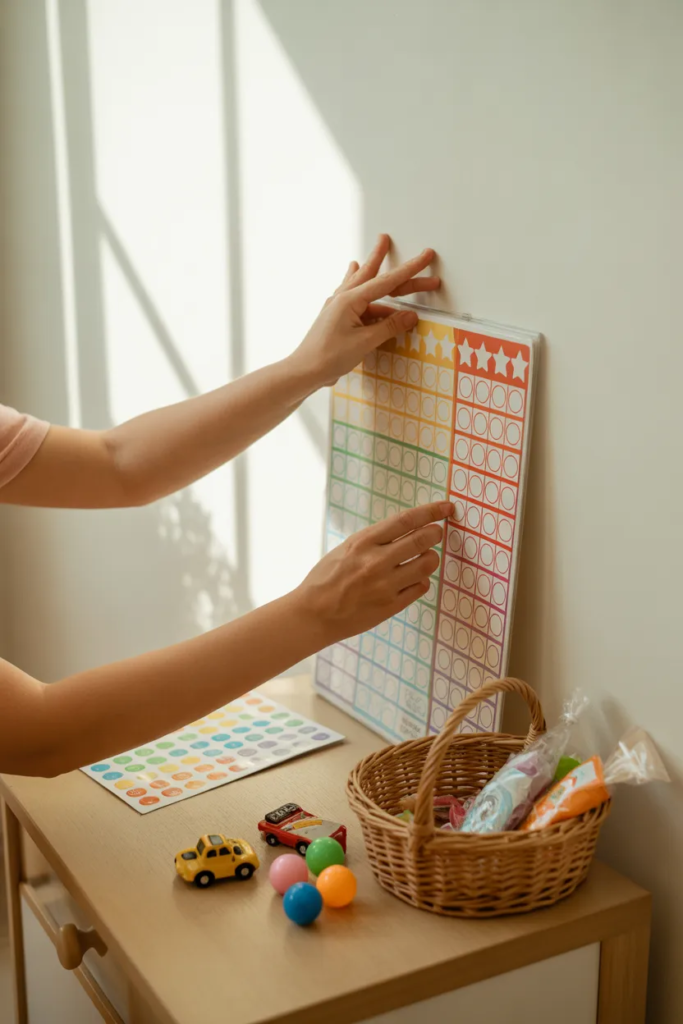
1. Set Up the Chart
Start by selecting a chart that matches your child’s interests.
Allowing children to help choose the design often increases their excitement and sense of ownership. Before starting, decide which rewards will be given for completing rows, sections, or milestones.
Keep rewards realistic and easy to achieve.
Small rewards often work better than large rewards because they provide quicker motivation.
2. Daily Routine
A consistent schedule helps children understand expectations.
Try encouraging potty visits at predictable times such as after waking up, before naps, after meals, and before bedtime.
Adding stickers immediately after success helps children connect the action with the reward.
Regular practice helps build confidence and independence over time.
3. Encouragement and Support
Positive support can make a major difference during potty training.
Celebrate every success, even the small ones. Words of encouragement help children feel capable and motivated.
Every child learns at a different pace, so patience is important. Progress often happens gradually rather than all at once.
Parents who stay supportive usually experience less stress throughout the process.
4. Rewarding Achievements
When a goal is completed, provide the promised reward as soon as possible.
Immediate rewards strengthen the connection between positive behavior and positive outcomes. This helps children understand exactly why they earned the reward.
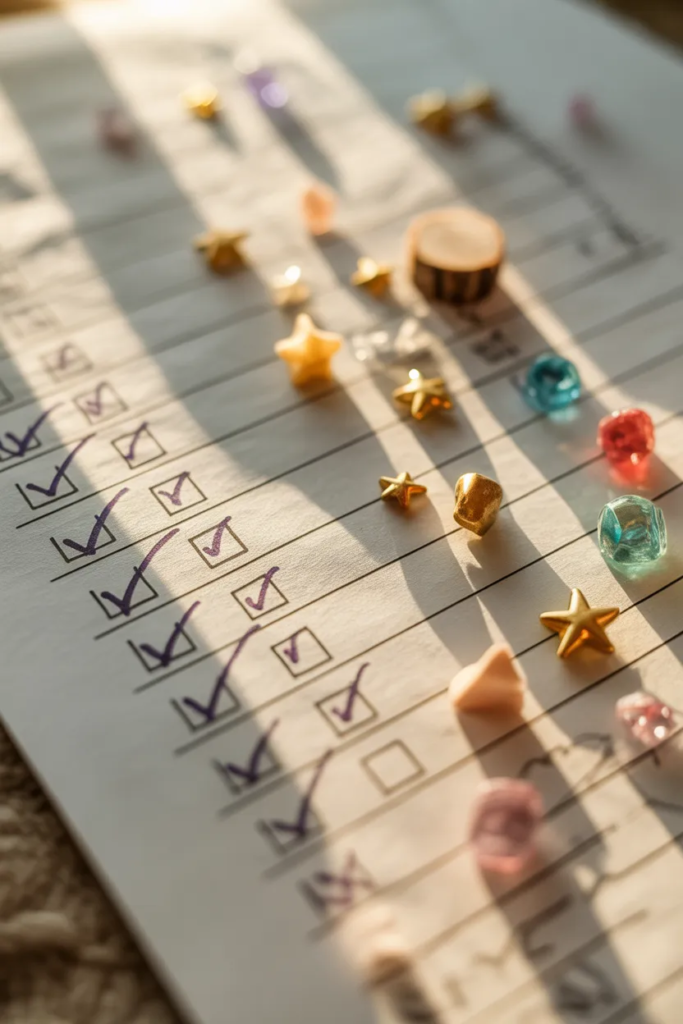
Simple rewards often work best, including:
- Extra story time
- Favorite stickers
- Small toys
- Coloring activities
- Special outings with parents
The reward doesn’t need to be expensive to be effective.
Free Potty Training Chart
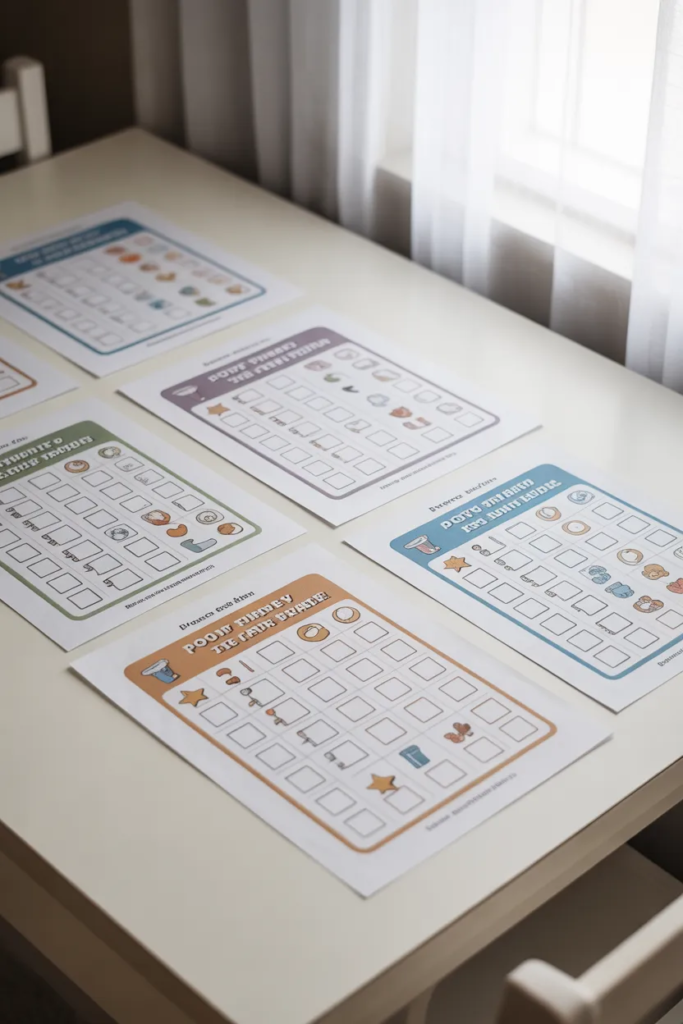
Free printable potty training charts are widely available and remain a popular option for parents in 2026.
Starting with a simple chart is often the best approach. Once children become familiar with the process, parents can introduce themed versions, games, or larger reward systems to maintain interest.
Printable charts are budget-friendly, easy to customize, and convenient for home use.
Many families find that keeping multiple copies available helps maintain consistency throughout the training process.
Pro Tip: Print several charts at once so you always have a replacement ready when one is completed.
Final Thoughts
Potty training can feel challenging at times, but having the right tools makes the process much easier.
A potty training chart provides structure, motivation, and clear progress that children can understand. Those small daily successes gradually turn into strong habits and greater independence.
The most important lesson I’ve learned is that consistency and encouragement matter more than perfection. Celebrate progress, stay patient, and focus on building confidence one step at a time.
With the right potty training chart and a positive routine, many children can develop successful bathroom habits faster and with less frustration for everyone involved.


